Description
The ETAC DEW CYCLE Condensation Cycle Tester delivers a specialized, high-precision solution for simulating the destructive effects of moisture and dew formation on industrial components. Engineers and quality control specialists utilize this environmental chamber to validate the long-term reliability of automotive electronics, outdoor equipment, and protective coatings. This specific series addresses the unique challenge of replicating real-world climatic shifts where humidity transitions into dew, potentially causing insulation failure or surface corrosion. Consequently, your laboratory gains a multifaceted evaluation tool that combines high-accuracy moisture cycles with rapid thermal shock testing capabilities.
Instead of relying on generic humidity chambers that create inconsistent condensation patterns, your facility achieves a significant technical advantage with the ETAC DEW CYCLE system. The instrument employs a patented polymer sensor that eliminates the traditional requirement for periodic wick replacements. Therefore, you can confidently execute long-term endurance tests without the risk of measurement drift or frequent maintenance interruptions.
ETAC DEW CYCLE Technical Advantages
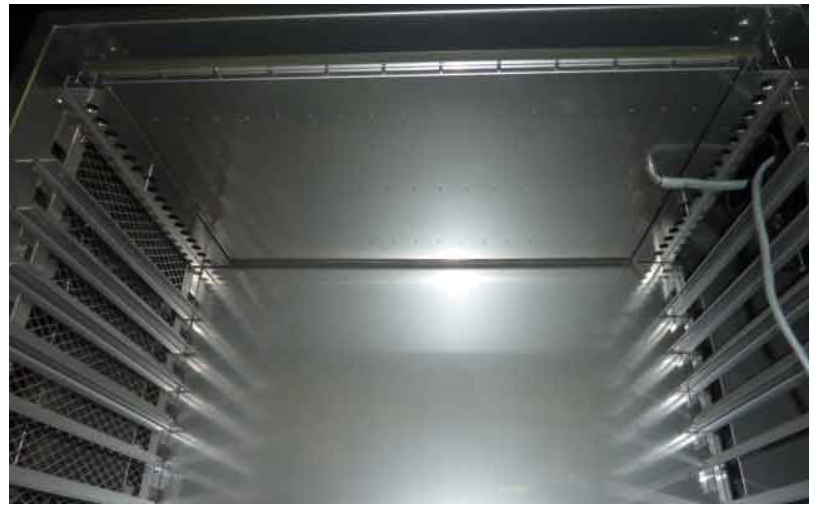
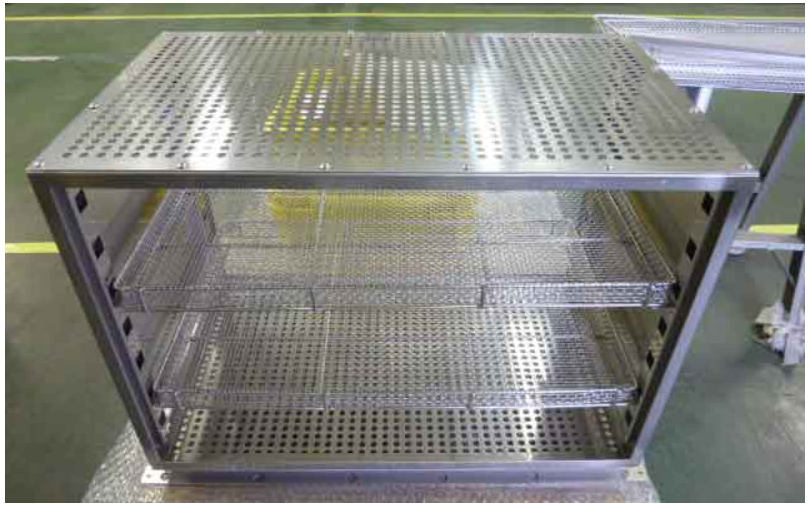
This advanced condensation tester packs specialized features for demanding automotive and aerospace R&D. It includes a dedicated ceiling water-drop prevention board equipped with a built-in heater. This design prevents stray water droplets from falling onto the test sample, ensuring that only natural dew formation affects the product surface. Furthermore, the optional “No-Wind Box” creates a stagnant air environment that replicates the exact conditions of outdoor moisture accumulation on stationary equipment. This level of environmental control allows your engineering team to capture exact degradation data for sensitive electronic circuits and metallic coatings.
The DEW CYCLE also features an intuitive color LCD touch panel for straightforward program management. Technicians can configure complex temperature and humidity fluctuation patterns to meet specific internal or global testing standards. Additionally, the chamber supports thermal shock testing with a wide temperature range from -55℃ to +150℃. This versatility ensures that you identify material fatigue and adhesion failures early in the development cycle, long before products reach the field.
Modern Laboratory Integration
Modern production facilities require robust data management and high-precision monitoring for industrial scaling. Therefore, the ETAC DEW CYCLE series includes a streamlined controller interface that simplifies secondary development and test automation. The system maintains uniform chamber conditions across both 130L and 210L volumes, providing repeatable data for rigorous quality assurance audits. The durable construction and specialized humidity sensors ensure the instrument remains the essential tool for reliability testing in high-humidity environments.
When your project demands the highest level of moisture simulation and coating validation, the ETAC DEW CYCLE stands out as the premier choice. Stop settling for low-resolution tools that provide inconsistent condensation data. Contact nanotech-tmi today to request a technical datasheet or a custom quotation for your environmental laboratory. Trust nanotech-tmi for all your high-precision Thermal Shock Chamber requirements!




Reviews
There are no reviews yet.