Description
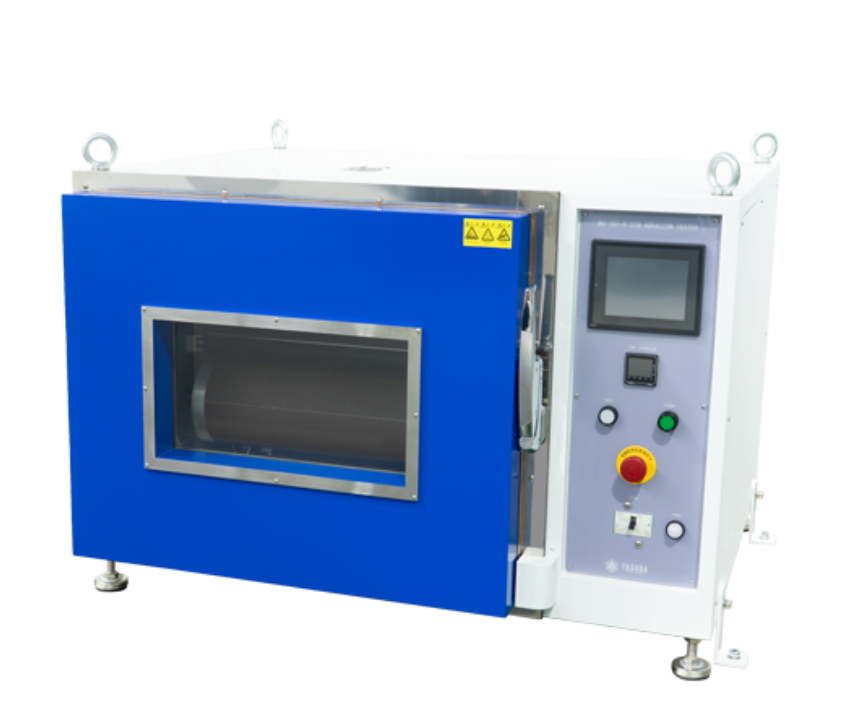
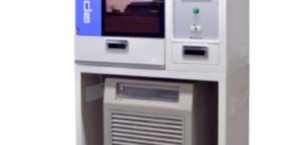
The No. 151 Series DIN Abrasion Tester delivers a highly precise, specialized solution for evaluating the wear resistance of vulcanized and thermoplastic rubber. Material scientists and automotive engineers utilize this advanced testing suite to measure the exact abrading mass of tires, industrial belts, and heavy-duty footwear under intense friction. This specific series addresses the critical industry requirement of validating polymer degradation under severe mechanical stress. Consequently, your facility gains the ability to predict the operational lifespan of advanced rubber compounds before they ever enter mass production.
Instead of relying on generic abrasion testers that offer limited testing parameters, your team achieves a massive technical advantage with the Yasuda Seiki No. 151 Series. The system provides two distinct configurations to match your exact laboratory requirements. The standard No. 151 model delivers robust, ambient-temperature abrasion testing for high-volume quality control. For more advanced applications, the heavy-duty No. 151-H incorporates a constant temperature chamber capable of maintaining heat up to 100°C directly during the abrasive cycle. Therefore, you can confidently replicate the severe thermal friction generated by high-speed automotive tires on hot asphalt.
Yasuda No. 151 Series Technical Advantages
This industrial abrasion testing series packs advanced mechanical features for demanding R&D laboratories. It presses the test specimen against a rotating drum covered in high-grade alumina abrasive cloth using a highly accurate weight load of either 5.0 N or 10.0 N. Furthermore, the instrument provides an adjustable drum rotation speed ranging from 10 to 100 rpm alongside a variable feed speed. This exceptional flexibility allows your engineering team to customize the abrasive shear forces to match your specific material application perfectly.
Modern material testing facilities require unyielding precision and clean operation for industrial scaling. Therefore, the No. 151 Series DIN Abrasion Tester includes an integrated vacuum suction device to continuously remove rubber dust and entirely prevent the abrasive cloth from clogging during the test. The robust construction of both models ensures absolute structural stability and uninterrupted operation during grueling extended test cycles.
When your project demands the highest level of wear-resistance validation, the Yasuda No. 151 Series stands out as the premier choice. Stop settling for inadequate equipment that jeopardizes your material safety ratings with false data. Contact nanotech-tmi today to request a comprehensive technical datasheet or a custom quotation for your preferred configuration. Trust nanotech-tmi for all your high-precision Material Property Test Solution requirements.



Reviews
There are no reviews yet.